Featured
Table of Contents
- – Recognizing the Eating Disorder-OCD Connection
- – Eating Disorders in Athletes and Dancers: A Di...
- – OCD Therapy: Beyond Contamination Concerns
- – EMDR Intensives for Trauma-Based Consuming Dis...
- – Joaquin Feliciano
- – Anxiousness Treatment as Structure for Recuper...
- – Searching For Specialized Treatment for Lastin...
The junction of eating disorders and obsessive-compulsive condition represents one of the most difficult presentations in psychological health and wellness treatment. These problems usually share underlying patterns of rigid thinking, anxiety-driven actions, and tries to regulate unpredictability through ritualistic actions. For athletes, dancers, and people with perfectionist propensities, these problems can come to be particularly lodged, woven right into identity and efficiency in methods that make acknowledgment and treatment much more complicated.
Recognizing the Eating Disorder-OCD Connection
Consuming problems and OCD share significant neurobiological and emotional overlap. Both conditions include intrusive thoughts, compulsive behaviors, and enhanced stress and anxiety when routines are interfered with. Study shows that around 40% of individuals with eating problems additionally meet requirements for OCD, suggesting these conditions may represent different expressions of comparable underlying vulnerabilities.
The partnership between these disorders often shows up as a vicious circle. Compulsive ideas about food, physique, or weight drive uncontrollable eating behaviors, exercise routines, or limiting patterns. These habits briefly decrease anxiety, reinforcing the cycle and making it gradually harder to break. Gradually, what began as attempts to manage stress and anxiety or attain certain objectives advances into an inflexible system that dominates day-to-day live.
Consuming disorder therapy that addresses these obsessive-compulsive attributes calls for specialized understanding. Generic methods to disordered consuming may miss the anxiety-driven devices maintaining behaviors, while standard OCD treatment may ignore the body photo and identity components central to eating disorders. Integrated therapy comes close to identify this complexity and address both the obsessive-compulsive patterns and the details functions of disordered consuming.
Specialists concentrating on this intersection, such as those at Live Mindfully Psychotherapy, understand that effective therapy has to deal with numerous layers concurrently. This includes collaborating with the cognitive rigidness attribute of both problems, the underlying anxiety driving habits, and the identification parts that make adjustment feel harmful.
Eating Disorders in Athletes and Dancers: A Distinct Difficulty
Professional athletes and professional dancers deal with particular vulnerability to consuming disorders, with occurrence rates considerably greater than in the basic population. The emphasis on body make-up, weight requirements, and visual suitables in these areas creates an environment where disordered eating can develop under the role of devotion or expertise. What begins as "" clean consuming"" or "" optimal fueling"" can slowly progress right into restrictive consuming problems that compromise both health and efficiency.
The athletic and dancing areas commonly normalize behaviors that would be acknowledged as disordered in various other contexts. Extensive training sessions, rigid dish timing, obsessive body checking, and workout compulsion may be considered as signs of commitment instead of cautioning signs. This normalization makes it harder for athletes and professional dancers to recognize when their partnership with food and exercise has actually crossed into pathological territory.
Perfectionism, very valued in sports and imaginative pursuits, functions as both a danger factor and maintaining device for consuming conditions. The very same qualities that drive quality-- technique, focus to detail, high standards-- can sustain compulsive patterns around food and body. Professional athletes and professional dancers usually are afraid that addressing their eating condition will certainly endanger their performance, not identifying that the condition itself is restricting their possibility via physical depletion and mental obsession.
Specialized eating condition treatment for professional athletes and dancers must browse these distinct characteristics. Therapy techniques that recognize the person's commitment to their sporting activity or art while dealing with the harmful patterns prove most reliable. Therapists collaborating with these populaces comprehend sport-specific stress and can help customers create healthier partnerships with food and body without needing them to desert their sports or creative pursuits.
OCD Therapy: Beyond Contamination Concerns
While numerous associate OCD with contamination fears and hand cleaning, the condition manifests in varied ways. Intrusive thoughts regarding damage, sexual content, spiritual issues, or symmetry can be equally stressful. For individuals with eating disorders, OCD frequently entails obsessions concerning food, contamination problems regarding eating, or compulsions around workout and body monitoring.
Efficient OCD treatment usually includes direct exposure and action prevention (ERP), a therapy technique that aids individuals face feared situations while standing up to uncontrollable feedbacks. For eating disorder discussions with OCD functions, this may consist of direct exposures to been afraid foods, decreasing body checking habits, or enduring unpredictability around eating decisions. The procedure is gradual and customized, appreciating each person's preparedness while challenging evasion patterns that maintain anxiousness.
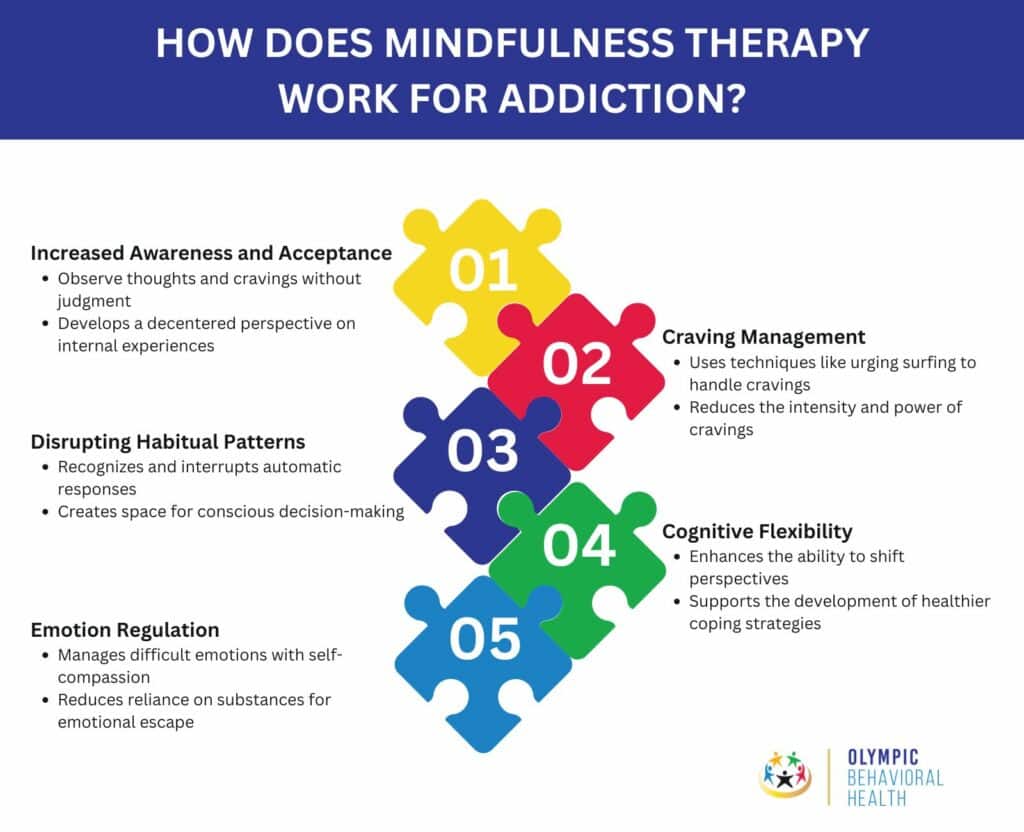
[:specialty]Cognitive-behavioral treatment for OCD helps people recognize the thought patterns that sustain obsessions. Finding out to recognize obsessive thoughts without engaging with them via rituals verifies main to healing. This metacognitive understanding-- the capability to observe thoughts without immediately believing or acting on them-- represents a critical ability that benefits both OCD and eating problem healing.
Lots of people with OCD and eating disorders also battle with perfectionism, checking out anything much less than total control as failure. This all-or-nothing reasoning encompasses treatment itself, with people in some cases thinking they need to be "" excellent"" at healing. Therapy has to resolve these perfectionistic requirements, helping customers develop self-compassion and tolerance for the messy, nonlinear nature of recovery.
EMDR Intensives for Trauma-Based Consuming Disorders
Progressively, medical professionals recognize that numerous eating problems have origins in stressful experiences. Whether developmental injury, particular traumatic events, or the build-up of damaging experiences, unsettled injury typically underlies the demand for control that consuming conditions offer. EMDR intensives offer a focused method to processing these traumatic foundations, attending to the much deeper drivers of disordered eating.
EMDR intensives press treatment into extended sessions over days instead of weeks, enabling more extensive processing. For consuming problem therapy, this extensive format can accelerate development by addressing multiple traumatic memories or experiences in a concentrated timeframe. The method confirms especially valuable for people who have finished standard eating condition therapy yet proceed dealing with underlying anxiety or trauma-related triggers.
Joaquin Feliciano
Kelsey is clearly passionate about what she does. She is thoughtful, dedicated, and making a real impact in her community.
The connection in between trauma and eating disorders manifests in different ways. For some, disordered eating represents an effort to redeem control after experiences of powerlessness. For others, body discontentment links to messages gotten during developing years or particular stressful experiences. EMDR helps reprocess these memories and connected ideas, decreasing their emotional cost and enabling even more adaptive self-perception.
Combining EMDR intensives with ongoing eating problem treatment and nutritional support creates an extensive treatment strategy. While EMDR addresses underlying trauma, simultaneous assistance assists people establish brand-new coping devices and keep recovery-oriented habits. This incorporated technique acknowledges that consuming disorders offer features in people's lives, and lasting modification calls for both processing what drove the disorder and structure different methods of taking care of distress.
Anxiousness Treatment as Structure for Recuperation
Anxiousness underlies both consuming problems and OCD, making anxiety management skills important for recovery. Discovering to endure uncertainty, take care of physical anxiousness experiences, and react to challenging feelings without resorting to disorder behaviors stands for core job in treatment. Anxiety treatment supplies these fundamental abilities while helping people understand their unique anxiousness patterns.
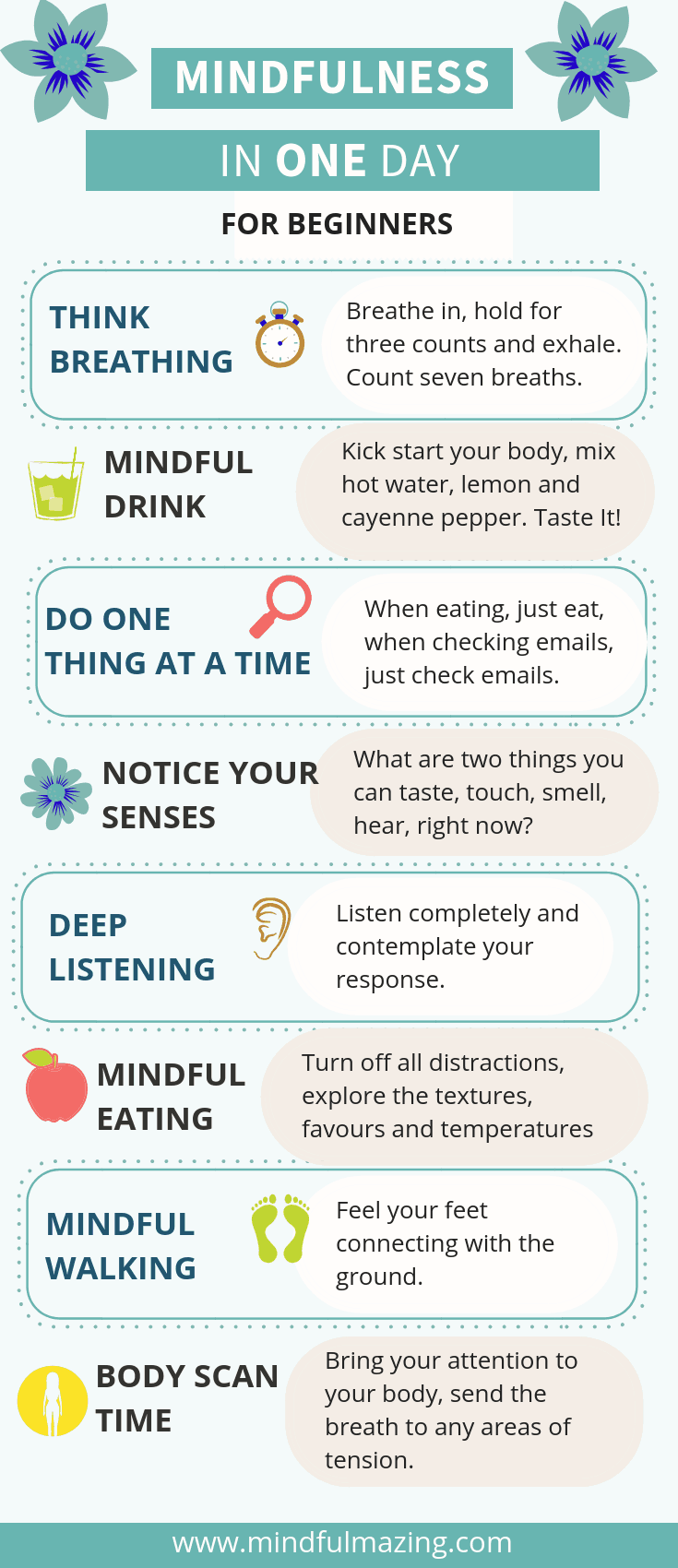
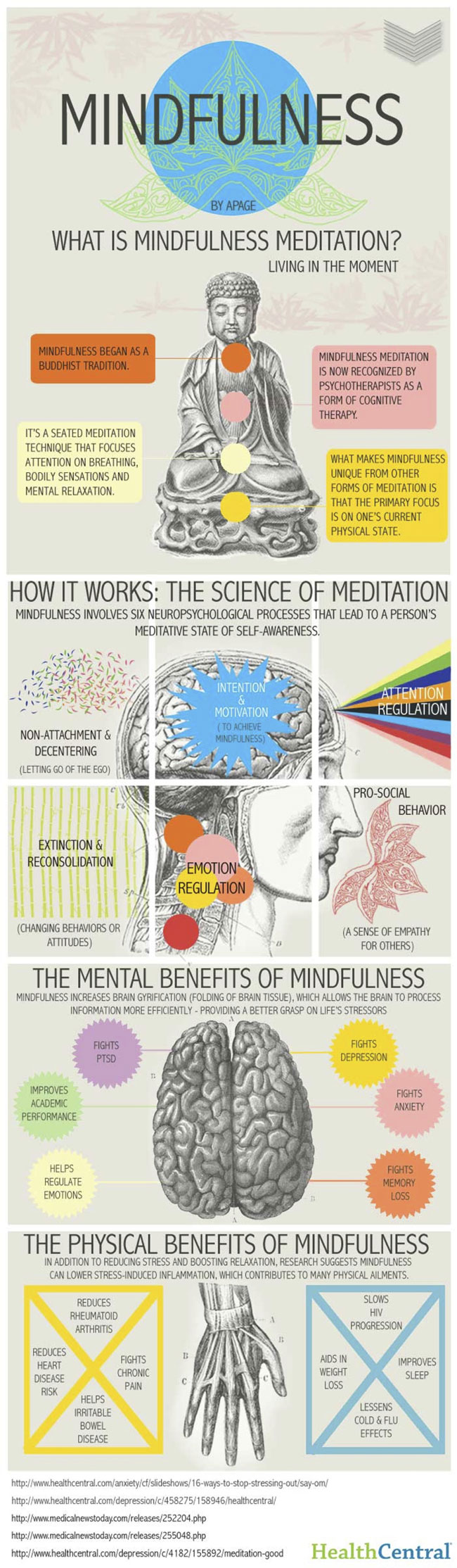
Mindfulness-based methods confirm specifically beneficial for consuming problem and OCD treatment. These methods assist individuals observe thoughts and sensations without right away responding, creating area in between triggers and actions. For a person with an eating problem, mindfulness might involve seeing stress and anxiety around food choices without automatically limiting. For OCD discussions, it could suggest observing invasive thoughts without taking part in compulsive responses.
Somatic methods to anxiety therapy address the body-based parts commonly forgot in cognitive therapies. Numerous individuals with eating conditions and OCD experience enhanced interoceptive awareness-- level of sensitivity to internal physical feelings-- which can drive anxiousness and compulsive actions. Discovering to regulate the nerve system via breath job, dynamic leisure, or other somatic methods provides concrete tools for handling stress and anxiety in real-time.
Searching For Specialized Treatment for Lasting Healing
Recuperation from consuming disorders and OCD needs specialized treatment that resolves the unique attributes of these conditions. Common approaches might offer temporary relief however often miss the preserving mechanisms that drive regression. Therapists with specific training in consuming problems, OCD, and injury recognize these nuances and can provide targeted treatments that deal with source instead of simply signs.
When seeking therapy, think about therapists who integrate numerous evidence-based strategies as opposed to depending on a solitary method. Consuming conditions and OCD rarely reply to one-size-fits-all therapy, and versatility in strategy permits specialists to adjust interventions to private needs. Additionally, partnership with various other providers-- such as dietitians, physicians, and psychiatrists-- typically confirms vital for comprehensive treatment attending to all elements of healing.
[:specialty]For professional athletes, professional dancers, and nit-pickers battling with consuming problems or OCD, discovering a specialist who understands these details contexts makes significant distinction. Treatment that honors your values and goals while resolving hazardous patterns produces the structure for sustainable healing that enhances as opposed to limits your life and pursuits.

Table of Contents
- – Recognizing the Eating Disorder-OCD Connection
- – Eating Disorders in Athletes and Dancers: A Di...
- – OCD Therapy: Beyond Contamination Concerns
- – EMDR Intensives for Trauma-Based Consuming Dis...
- – Joaquin Feliciano
- – Anxiousness Treatment as Structure for Recuper...
- – Searching For Specialized Treatment for Lastin...
Latest Posts
The Framework Supporting Psychodynamic Therapy and Autism Testing & Evaluations
Damaging Free: Comprehending the Complex Connection Between OCD and Trauma
Understanding Intergenerational Trauma: A Path to Healing Through Somatic Therapy and EMDR
More
Latest Posts
The Framework Supporting Psychodynamic Therapy and Autism Testing & Evaluations
Damaging Free: Comprehending the Complex Connection Between OCD and Trauma
Understanding Intergenerational Trauma: A Path to Healing Through Somatic Therapy and EMDR