Featured
Table of Contents
- – Comprehending Transgenerational Trauma in Immi...
- – Why Conventional Treatment Falls Brief
- – The Bicultural Therapy Benefit
- – EMDR: Evidence-Based Treatment for Complicated...
- – Bilingual Therapy: Language and Psychological ...
- – Online Treatment: Eliminating Barriers to Spec...
- – Key Therapy Parts for Bicultural Mental Health...
- – Common Restorative Emphasis Areas
- – The Cultural Context of Mental Wellness
- – Therapy Timeline and Expectations
- – Key Phrases for Discovering Bicultural Treatment
- – Taking the Primary Step
Adult youngsters of immigrants encounter special mental wellness challenges that conventional therapy commonly misses out on. The consistent settlement between social globes, unspoken household assumptions, and acquired injury patterns need specific understanding-- not just professional training, yet lived social proficiency.
Comprehending Transgenerational Trauma in Immigrant Families
Transgenerational injury refers to psychological and mental injuries gave through generations. When moms and dads experience war, required migration, persecution, or survival-level challenge, their anxious systems adapt to consistent threat. These adaptations-- hypervigilance, emotional reductions, question of outsiders-- usually transfer to their kids with parenting designs, family characteristics, and even epigenetic modifications.
First and second-generation Americans regularly experience anxiety, shame, depression, and identification complication without understanding the resource. Typical symptoms include persistent anxiousness in spite of stable scenarios, difficulty establishing boundaries with family, shame over individual options that vary from cultural norms, psychological numbness or trouble sharing sensations, perfectionism and concern of failing, and relentless insecurity in spite of objective success.
Study reveals these aren't character problems-- they're worried system feedbacks inherited from moms and dads who made it through in survival setting.
Why Conventional Treatment Falls Brief
Conventional therapeutic strategies were established mainly by and for white, Western populations. When specialists do not have social capability, they commonly misinterpret culturally normative habits as pathological. Household distance ends up being "enmeshment." Respect for elders becomes "inability to individuate." Cumulative worths come to be "codependency."
This social mismatch creates several issues. Therapy referrals problem with social values, creating impossible selections. Customers really feel misconstrued and invalidated, reducing therapy performance. Social strengths and resilience variables go unacknowledged. Embarassment and guilt heighten instead of settle.
For immigrant families, treatment needs to honor both the cultural context and the emotional fact-- identifying that bicultural identification isn't a problem to fix yet a genuine experience needing specific support.
The Bicultural Therapy Benefit
Bicultural specialists bring important understanding that goes beyond clinical training. They acknowledge the nuances of browsing two worth systems, understand family characteristics within cultural context, talk the very same cultural language (often literally), validate the intricacy without pathologizing either culture, and recognize transgenerational trauma patterns common in immigrant communities.
This social attunement permits much deeper, quicker restorative work. Clients spend much less time describing and safeguarding their experience, and even more time actually recovery.
EMDR: Evidence-Based Treatment for Complicated Injury
Eye Movement Desensitization and Reprocessing (EMDR) has actually confirmed particularly reliable for grown-up kids of immigrants dealing with transgenerational trauma. Unlike standard talk therapy, EMDR aids the brain reprocess stressful memories and restricting ideas stored at a neurological degree.
EMDR overcomes bilateral excitement (eye movements, touching, or noises) while processing distressing memories or beliefs. This assists the brain complete disrupted processing, minimizing emotional charge and physical distress associated with trauma.
For bicultural people, EMDR addresses acquired limiting beliefs like "I'm not nearly enough," "I don't belong anywhere," "My requirements don't matter," "Success indicates betraying my household," and "I must be excellent to be worthy of love."
Study shows EMDR's efficiency for PTSD, complicated injury, anxiousness disorders, clinical depression, and social modification problems-- all typical amongst immigrant populaces.
Bilingual Therapy: Language and Psychological Processing
For numerous bicultural people, psychological experiences are encoded in different ways across languages. Childhood memories and family dynamics frequently exist in the indigenous language, while adult experiences and specialist identification link to English.
Multilingual therapy allows clients to access much deeper emotional material by relocating between languages as required. This captures subtleties lost in translation and addresses the truth that some sensations simply don't have equal words throughout languages.
Online Treatment: Eliminating Barriers to Specialized Treatment
Finding culturally qualified specialists learnt trauma-specific modalities can be almost impossible in many areas. Online therapy eliminates geographic limitations, making specialized bicultural therapy accessible statewide.
Researches validate online treatment creates similar outcomes to in-person therapy for anxiety, clinical depression, trauma, and tension administration. EMDR converts effectively to telehealth via screen-based eye motions, self-administered touching, or reciprocal sound stimulation.
Added benefits consist of adaptability for busy experts and caretakers, no commute time or web traffic anxiety, personal privacy and convenience of home setting, and less complicated scheduling across time areas.
Key Therapy Parts for Bicultural Mental Health And Wellness
Effective therapy for grown-up youngsters of immigrants should consist of validating the bicultural experience without reducing either point of view, checking out family dynamics within their cultural context, refining transgenerational injury making use of evidence-based strategies like EMDR, attending to specific obstacles like regret, anxiousness, and identification complication, developing boundary-setting abilities that value cultural worths, and building authentic identity that integrates rather than picks between societies.
The goal isn't to deny social heritage or dismiss American values-- it's to develop an integrated sense of self that draws toughness from both.

Common Restorative Emphasis Areas
Bicultural therapy commonly addresses guilt around personal choices that differ from household assumptions, anxiety pertaining to frustrating parents or cultural community, identification confusion from living between two value systems, connection obstacles including dating and marriage throughout societies, occupation decisions and adult approval, interaction difficulties with immigrant moms and dads, and processing details traumas related to immigration, discrimination, or social displacement.
Many customers additionally overcome sorrow for parents' sacrifices and lost possibilities, rage at cultural limitations or unjust assumptions, and pity around not being "sufficient" in either culture.
The Cultural Context of Mental Wellness

In many immigrant cultures, psychological health and wellness struggles bring considerable stigma. Seeking treatment can feel like admitting failure, being unappreciative, or bringing pity to the household. Bicultural specialists comprehend these concerns and can help customers browse them.
Therapy usually consists of psychoeducation about exactly how injury affects the anxious system, stabilizing psychological health and wellness battles within cultural context, developing language to discuss therapy with family if preferred, and honoring cultural toughness while dealing with locations of battle.
Therapy Timeline and Expectations
Healing transgenerational trauma varies extensively based upon complexity of injury, private objectives and preparedness, healing strategy made use of, and consistency of therapy engagement.
Some customers experience considerable alleviation within weeks using extensive EMDR methods. Others take advantage of longer-term therapy that attends to multiple layers of trauma and identification advancement. Both courses are legitimate.
The therapeutic relationship issues considerably. Finding a provider that understands your social history and makes use of evidence-based strategies for injury makes substantial difference in results.
Key Phrases for Discovering Bicultural Treatment
Appropriate search terms include bicultural therapy, therapy for grown-up children of immigrants, transgenerational injury therapy, EMDR for social trauma, initial generation American counseling, second generation immigrant therapy, bilingual treatment, Spanish-speaking EMDR therapist, cultural identification treatment, immigrant family members treatment, and complex injury treatment.
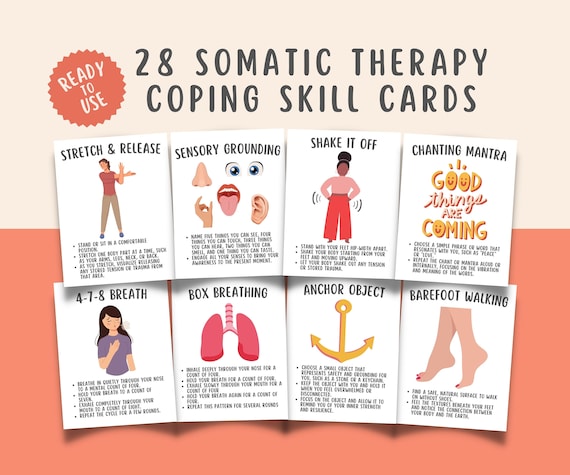
Search for specialists with details training in trauma methods (EMDR certification, Somatic Experiencing, and so on) and demonstrated social competence via lived experience or specialized training.
Taking the Primary Step
If you're struggling with the weight of two cultures, experiencing anxiety or guilt you can not fully discuss, really feeling disconnected from your genuine self, or acknowledging patterns from your parents' injury in your own life, specialized bicultural therapy can aid.
Numerous specialists supply cost-free assessments to identify fit. This enables you to evaluate whether the carrier absolutely understands your cultural context and has the clinical skills to resolve complicated trauma.
[:city,state,lurl] Therapist in Irvine,CA,https://empoweruemdr.com/therapist-in-irvine [/x]Your bicultural identification isn't a shortage-- it gives prospective toughness and durability. With the appropriate healing assistance, you can recover acquired injuries, develop genuine identification, and construct a life that honors both your heritage and your specific truth.

Table of Contents
- – Comprehending Transgenerational Trauma in Immi...
- – Why Conventional Treatment Falls Brief
- – The Bicultural Therapy Benefit
- – EMDR: Evidence-Based Treatment for Complicated...
- – Bilingual Therapy: Language and Psychological ...
- – Online Treatment: Eliminating Barriers to Spec...
- – Key Therapy Parts for Bicultural Mental Health...
- – Common Restorative Emphasis Areas
- – The Cultural Context of Mental Wellness
- – Therapy Timeline and Expectations
- – Key Phrases for Discovering Bicultural Treatment
- – Taking the Primary Step
Latest Posts
Making the Decision for Person-Centered Therapy
Gradual Processing: Processing With Trauma Gradually
Identifying Body Holding Patterns
More
Latest Posts
Making the Decision for Person-Centered Therapy
Gradual Processing: Processing With Trauma Gradually
Identifying Body Holding Patterns