Featured
Table of Contents
Having scientific depression is different than just feeling sad. To be diagnosed with anxiety, signs and symptoms should be present for two weeks or even more.
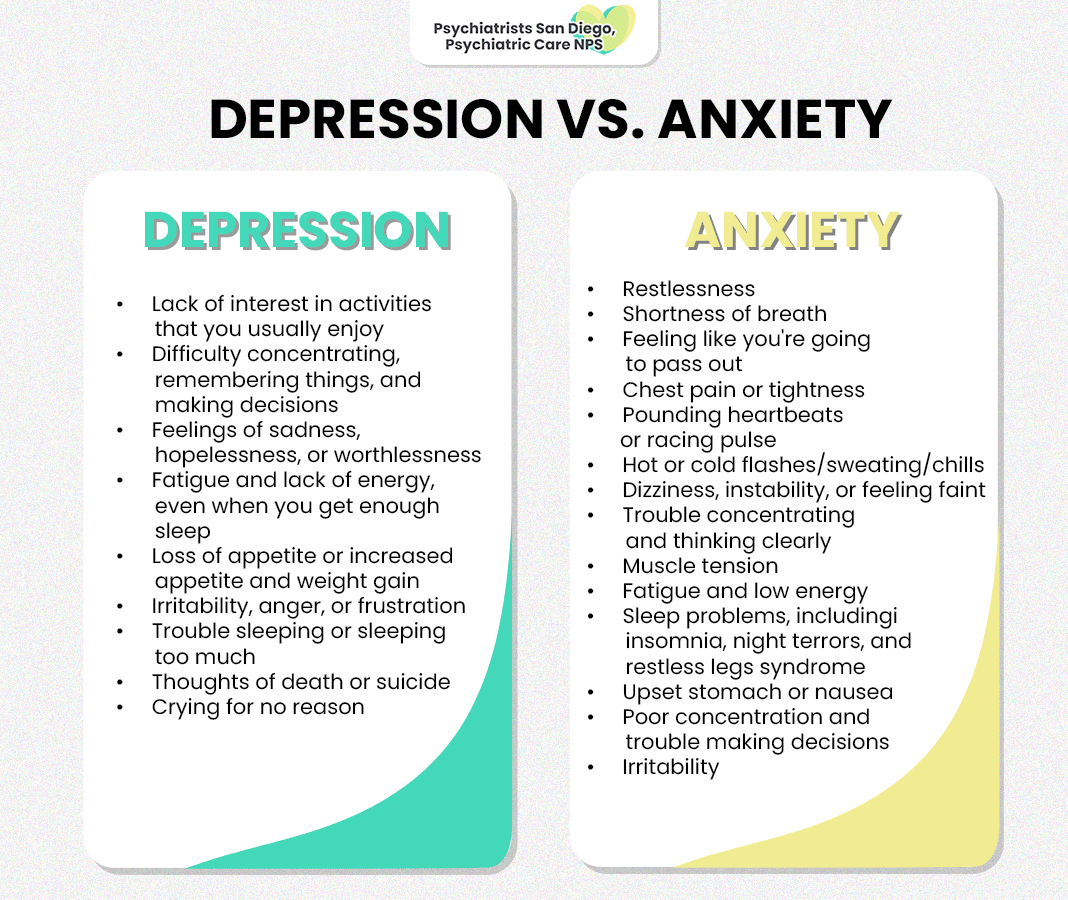
From one person to another the intensity and frequency of signs will certainly differ, and while some individuals only experience a few signs, others experience numerous. Persistent unfortunate, anxious, or "empty" state of mind Feeling helpless Really feeling pointless Angry outbursts, irritability, or aggravation Loss of rate of interest or enjoyment in hobbies and activities Thinking absolutely nothing deserves trying Considering fatality, or that life is not worth living Lack of energy Relocating or chatting slower than typical Trouble with focus, focus, memory, and choice making Really feeling agitated or having problem sitting still Cravings or weight modifications Problem resting, early-morning awakening, or sleeping a lot more or a lot less than regular Pains or discomforts, headaches, cramps, or digestive problems without a clear physical reason Although anxiety is among the most usual mental disorders in the US, there is no specific recognized root cause of anxiety.
Trauma-Focused and Other Evidence-Based Approaches
Threat variables for clinical depression consist of: Inherited traits, individual or household history of depression Environmental aspects, like significant life modifications, injury, or stress Mental aspects Specific physical health problems and medicines Organic distinctions, brain chemistry, or hormonal agents One of the most effective treatment for depression is drug and psychiatric therapy. The earlier that clinical depression is dealt with, the simpler it is to deal with.
Talking with a psychiatrist, psycho therapist or other psychological wellness specialist, can be very advantageous for individuals with clinical depression. Medicines to treat clinical depression are called antidepressants. There are several type of antidepressants that do various points in the mind, like boost how the mind makes use of specific chemicals, or stabilize your state of mind.
The Healing Power of 3D Brainspotting for Managing

Some examples of antidepressants are: Careful serotonin reuptake preventions (SSRIs) Serotonin-norepinephrine reuptake inhibitors (SNRIs) Atypical antidepressants Tricyclic antidepressants Monoamine oxidase preventions (MAOIs) Yes, you can have anxiousness and anxiety at the exact same time. Although they are 2 different and unique mental health and wellness problems, they frequently take place at the same time. Often, a person can have both a stress and anxiety disorder and a major depressive condition.
In various other situations, anxiety may trigger anxiety. They are two interrelated mood conditions, and regularly there is some degree of overlap. Yes, there is a difference between anxiousness and depression drug. There are anti-anxiety drugs particularly for treating anxiety signs and symptoms, and antidepressants especially for treating clinical depression signs and symptoms. One type of medication that has revealed to be efficient in treating anxiousness and depression are careful serotonin reuptake inhibitors (SSRIs).
The Process of in Therapy for Trauma
Therapy can be a helpful tool for individuals with anxiety and anxiety. For both anxiety and clinical depression, CBT includes talking through actions patterns, and aids to instruct individuals with these psychological diseases exactly how to deal with signs.
For anxiety, it can help you experience positive emotions. Most of dealing with stress and anxiety and clinical depression with therapy is overlapping. Using evidence-based methods details to the treatment of state of mind problems, like CBT, and regularly speaking to a specialist will assist those with anxiety, depression, or both, make noticeable enhancements. Yes, you can obtain therapy for stress and anxiety and clinical depression online.
Eye Movement Desensitization in Combination With Trauma Therapies for Perinatal Mental Health Services
Mental wellness is made complex. While professionals have created details medical diagnoses for various sorts of conditions, the reality is that several problems have a large amount of overlap, which can make it fairly hard to separate between 2 separate issues. Among one of the most usual concerns that individuals have is trying to discriminate in between stress and anxiety and clinical depression.
While it would certainly be fantastic if there were a fool-proof method of informing you whether you have stress and anxiety or anxiety, it's not quite that easy. A single person can conveniently have both stress and anxiety and anxiety, and some people may have created depression signs as a result of their anxiety problem. It's a bit harder than stating "you have anxiousness" or "you have anxiety" due to the fact that it's feasible to have mixes of both.
Signs of one or the various other may bleed into whichever condition you have, due to the fact that both share similar causes, concerns, and so on. The very best way to recognize the distinction between the two conditions is with the primary symptoms, beginning with the mental signs and symptoms. Stress and anxiety: Uneasiness over what's about to take place and what might take place in the future.
The Neuroscience Linking Emotional Trauma Affects Your Mental Wellness
Really feeling like you require to flee or avoid points that might create more stress and anxiety. Clinical depression: Really feeling of despair about the future, as though it's helpless. Listlessness, and an absence of belief that favorable things will certainly happen. Little fear, but rather an assurance of future negative emotions. Feasible self-destructive thoughts.
Those with depression commonly presume a negative future and do not anticipate anything else or assume there's anything worth protecting against. Clinical depression can take place after someone experiences anxiety, due to the fact that a person that handles extreme anxiousness may finish up really feeling drained pipes and helpless when their anxiousness or anxiety strike mores than. That's why both problems can be hard to differentiate.
Both anxiety and clinical depression can leave you feeling drained pipes and fatigued. In the instance of anxiousness, it often tends to take place after intense stress and anxiety, while with anxiety it tends to be extra continuous, without always any triggers.
Physical signs and symptoms that look like health conditions, especially if accompanied with health fears. Quick heart rate, digestive tract problems, hyperventilation, and other "power" creating symptoms. Depression: Extreme absence of power or drive. Flat affect (complete absence of feeling) together with slowed down thinking and actions. Serious appetite changes, migraines, and sleep problems. Anxiety actually has a tendency to have less physical signs and symptoms, but the mental signs and symptoms can be so hazardous (particularly the capacity for suicidal ideas) and the lack of power so pronounced that many individuals with anxiety manage extreme battles daily that definitely competing the symptoms of anxiety.

Latest Posts
Self Psychology within Psychodynamic Therapy in Chicago
Building Trust to Transform Intergenerational Trauma
Developing Coping Skills Through Culturally Informed Methods